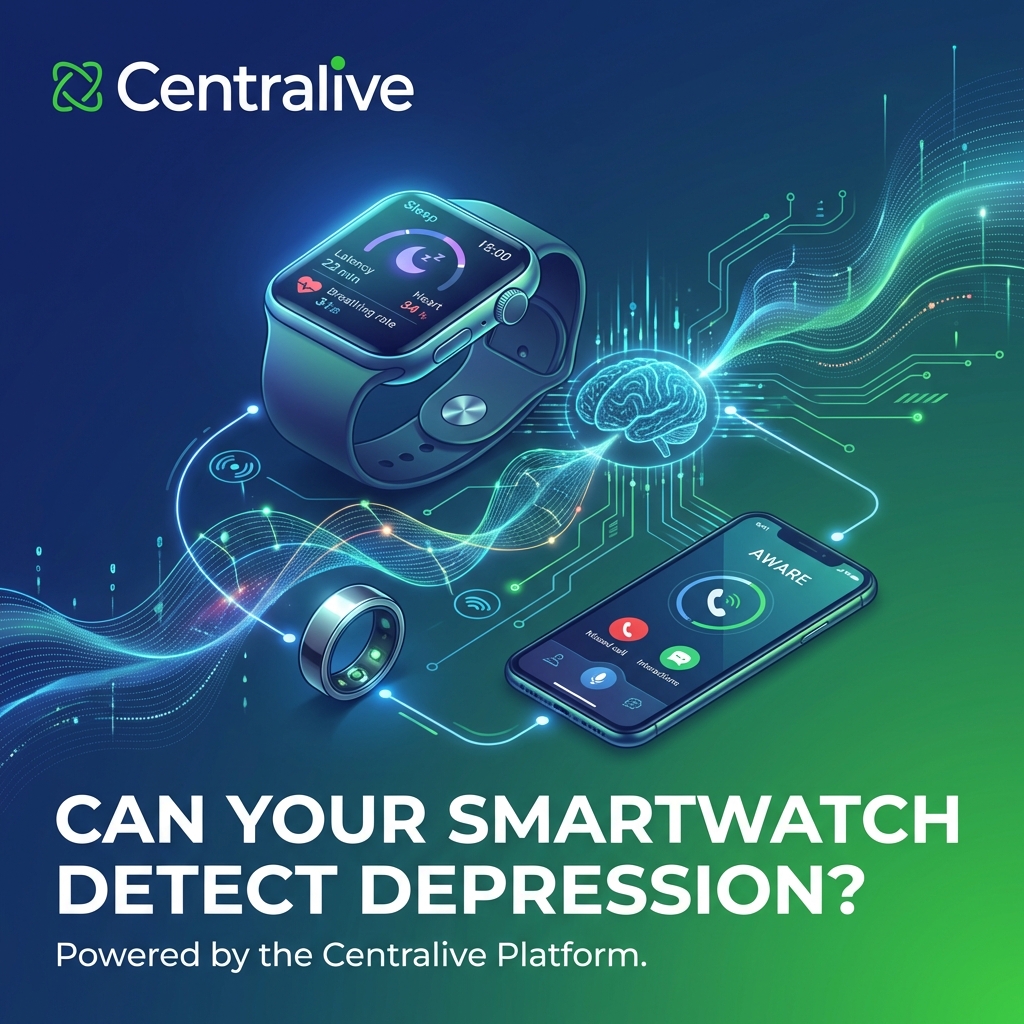
Detection of Depressive Symptoms Using Multimodal Passive Sensing
Depression remains the top contributor to global disability, with college students being a particularly vulnerable population. Traditional methods of detecting depression often rely on self-reporting, which can be subjective and sporadic. A new longitudinal pilot study published in JMIR Formative Research explores a breakthrough approach: using passive sensing data from wearables to detect depressive symptoms objectively and continuously.
The Methodology
The study followed a diverse sample of 28 undergraduate students over a period of 19 to 22 weeks. To capture a holistic view of the students’ health, researchers utilized three primary data sources:
- Oura Ring: To track sleep quality and physiological data.
- Samsung Smartwatch: To monitor movement and heart rate variability.
- AWARE Framework: Installed on smartphones to track screen time, call logs, and notifications.
Using a machine learning method known as Light Gradient Boosting Machine (LightGBM), the team analyzed this multimodal data against weekly PHQ-9 depression assessments.
Key Findings
The machine learning model demonstrated significant promise, achieving an F1-score of 0.744. This indicates a strong ability to differentiate between students with high versus low depressive symptoms based solely on passive data.
Interestingly, the study identified specific biomarkers that were highly predictive of depression risk:
- Sleep Quality: Variables such as sleep latency (time taken to fall asleep) and average sleep breathing rate were crucial indicators.
- Mobile Interactions: A high number of missed calls and missed mobile interactions correlated with higher depressive symptoms, suggesting social withdrawal.
Impact on Mental Health Care
This research suggests that consumer-grade wearable devices can provide real-time, low-cost insights into mental health. By identifying physiological and behavioral patterns associated with depression, we can move toward a future of preventative care. Instead of waiting for a clinical diagnosis, passive sensing could trigger timely interventions, offering support to students when they need it most.
This research was powered by the Centralive Platform.
Read the full paper here: https://formative.jmir.org/2025/1/e67964
Join our network for deeper insights: https://newsletter.centralive.health/signup